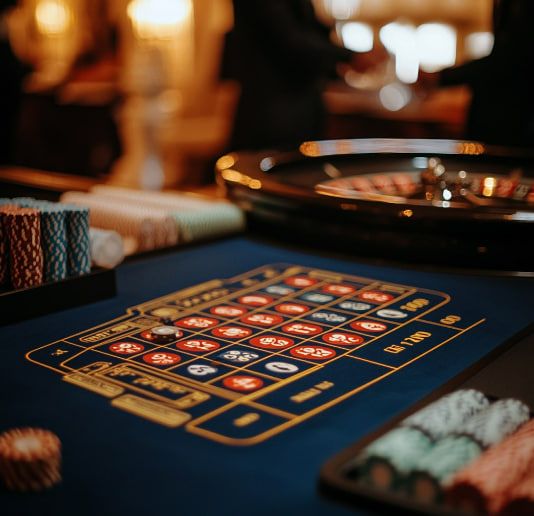
Live Casino: How Does a Real Online Dealer Work?
If you play at Canadian gambling sites, you’ve probably noticed that live casino games are everywhere now. Instead of spinning animated wheels or watching digital cards fly across the screen, you’re suddenly chatting with a real dealer in a studio somewhere halfway across the world—while you sit on your couch in Calgary or in a condo in Toronto.
With Ontario’s regulated iGaming market under AGCO/iGaming Ontario, and most other provinces still relying on lottery-run platforms, plenty of players end up at offshore casino sites for a better game selection. Live dealer tables are often the main attraction. The real question is: when you join that live blackjack or baccarat table on your phone, how exactly does that real online dealer work behind the scenes—and can you actually trust what you’re seeing?
Let’s pull back the curtain a bit.
What Is a Live Casino and How Is It Different from Regular Online Tables?
A live casino is basically a bridge between a traditional casino floor and online casino games. You see a real human dealer on video, dealing real cards or spinning a physical roulette wheel, but you place your bets and make decisions through a digital interface on your screen.
Instead of a fully animated game run purely by a random number generator (RNG), you’re watching an actual table in real time. That’s why you’ll see Canadian online casino sites promoting “live dealer casino” or “live roulette” as a separate section from standard blackjack or online casino slots.
Here’s how it compares.
You have three main experiences:
- RNG tables (standard online games):
Everything is digital. The outcome is driven by certified RNG software. No person, no physical cards. - Live casino:
Real dealer in a studio; cards, wheels, and chips are all physical. You interact via chat and buttons, not in person. - Land-based casino:
You’re physically at the table, touching chips, hearing the noise, maybe paying for parking on your way out.
When you open a Canadian online casino on your phone during halftime of a Leafs game, tap into Live Blackjack, and a dealer greets you by your username—that’s a live casino game. The betting options appear as on-screen chips or buttons under the video stream, and the dealer runs the game as if you were sitting at the table.
You’ll usually see:
- Classic table games: blackjack, roulette, baccarat, casino hold’em.
- Game-show-style formats: spinning wheels, trivia-like games, and hybrids with multipliers and side bets.
Quick comparison checklist: live vs RNG vs land-based
-
Interaction level
– Live casino: real dealer, chat with dealer and sometimes other players.
– RNG: just you and the software.
– Land-based: face-to-face social interaction. -
Convenience
– Live/RNG: 24/7, mobile or desktop, from anywhere in Canada where it’s allowed.
– Land-based: travel time, opening hours, and sometimes dress codes. -
Game pace
– Live: human pace—slower, more breaks between rounds.
– RNG: very fast, instant decisions, constant rounds.
– Land-based: similar to live online, depends on the table. -
Transparency / trust perception
– Live: you see the dealer shuffle and deal or spin the wheel; more transparent to the eye.
– RNG: you rely on the software being audited and the gambling licence being legitimate.
– Land-based: trust comes from the venue’s regulation and reputation. -
Table limits and variety
– Live: different tables with varying limits, VIP and low-stake tables, side bets.
– RNG: many variations and very low minimum bets.
– Land-based: limited seats and fewer table styles.
Practical step:
If you’re new to live dealer casino games, don’t jump straight into high-limit blackjack. Start with a low-limit live roulette or baccarat table. Use that first session just to learn the layout, timers, and chat, and place small bets until you’re comfortable with how the betting window opens and closes.
Behind the Scenes: How Real Online Dealers and the Studio Setup Work
When you see a dealer on your screen, they’re almost never sitting in some random back room. Reputable live casino providers run proper studios designed specifically for streaming, usually based in regulated jurisdictions like Malta, Latvia, or sometimes real casinos in North America or Europe.
Each studio floor typically has multiple tables running at once—blackjack here, roulette there, maybe a game-show wheel in the corner—all with dedicated camera setups and production staff monitoring everything.
Dealer role and training
Dealers in a live casino environment are trained in two things:
- Standard casino skills: shuffling, dealing, paying out correctly, following game rules.
- On-camera presentation: speaking clearly, engaging with chat, and sticking to strict guidelines on what they can and can’t say.
They won’t tell you how to play your blackjack hand or what strategy you “should” use. They’re there to run the game, not coach you.
Camera and audio setup
You’re usually looking at:
- Multiple cameras: wide angle for the dealer and table, close-ups for cards or roulette wheel.
- Professional lighting: so you can clearly see every card and number.
- Quality microphones: to pick up the dealer’s voice and minimise background noise.
That’s why a professional live casino table looks polished, not like a grainy webcam setup in a basement.
The tech link between you and the dealer
Here’s how a typical live roulette session actually works from your side and theirs:
- You join the table. A video stream loads with the dealer and wheel.
- A digital countdown appears on your screen: “Place your bets”.
- You tap on the virtual felt to choose your numbers or colours.
- Your bets appear on the dealer’s screen (or some form of monitor/overlay) as soon as you confirm.
- When the betting window closes, the dealer spins the wheel.
- Cameras zoom in on the wheel; once the ball drops, the system registers the winning number and your payouts are credited automatically.
All of this is synced up so your digital actions and the physical game line up cleanly.
Signs of a professional live casino studio
Use this as a quick reality check when you first sit down at a live table:
- HD video with minimal lag or freezing.
- Dealers look confident, handle the cards properly, and communicate clearly.
- Clear branding and professional table layouts—not a bare table in some sketchy room.
- Simple, stable betting interface with visible timers and bet confirmations.
- Payouts appear quickly and correctly after each round.
Practical step:
If you constantly get freezing streams, missed bets, or garbled audio—even after testing your own connection with other apps—that’s a warning sign. Try another game or another live provider on the same site. If the whole live section is a mess, consider whether that offshore casino is worth your money at all.
The Technology That Makes Live Dealer Games Possible (OCR, RNG, and Software)
For live casino games to work, the system has to convert what the dealer does in the physical world into instant, accurate digital results. That’s where tech like OCR and the game engine comes in.
Optical Character Recognition (OCR)
Cameras don’t just send you a video feed; they also send data to the casino’s system. OCR software looks at the images of cards and roulette wheels and “reads” the results.
For example:
- The dealer pulls a 10 of hearts in blackjack.
- The camera captures the card.
- OCR recognises it as “10H” and the game engine updates the hand value for all players.
Same thing with roulette: the ball lands in a numbered slot, and the system translates that into the winning number and colour.
Game engine and user interface
Behind the scenes, the game engine:
- Receives the OCR data for each card or spin.
- Matches it with bets you and other players have placed.
- Calculates wins and losses.
- Updates your account balance on-screen and in the casino’s back-end system.
The interface you see—buttons to hit or stand, chip sizes, bet history—is just a user-friendly layer talking to this engine.
Randomness vs RNG
This is where many players get confused:
- In live casino games, randomness comes from real-world elements: shuffled cards, physical roulette wheels, actual dice.
- In standard software games, a certified RNG generates the results instead.
However, some hybrid live games (think lightning roulette or multiplier-based game shows) do use RNG elements on top of physical outcomes—for things like random multipliers or bonus features.
Integration with the online casino platform
Most Canadian online casinos don’t build their own live games. They plug in third-party providers like Evolution or Pragmatic Play Live. That’s why you might recognise the Pragmatic Play name from slots and also see it on live dealer games.
Your deposits and withdrawals—whether through Interac e-Transfer, credit card, or sometimes Bitcoin—are handled by the casino platform. The live game provider just runs the table and sends results back to the casino.
Latency and servers
To avoid you missing betting windows or seeing results late, providers use strong server infrastructure and data centres optimised for streaming. If you’re out in a rural part of Saskatchewan on shaky Wi‑Fi, you’ll feel that more than a player on solid fibre in Montreal.
Live dealer tech vs software-only tables
-
Result generation
– Live: physical events captured and processed by OCR and game engines.
– RNG: computer-generated outcomes calculated instantly. -
Visual feedback
– Live: real person, real table, actual spins and deals.
– RNG: animations and sounds imitating those actions. -
Features
– Live: core result is physical; extras (multipliers, side bets) may be software-driven.
– RNG: more flexibility for elaborate bonus rounds and simulations. -
Resources required
– Live: heavier on data and device performance.
– RNG: generally lighter, easier on slower connections.
Practical step:
If you’re on a limited data plan, keep an eye on how long you’re streaming live casino. Switch to lower video quality in the settings if you notice lag or want to save data. Spinning a few online casino slots will typically use less data than an hour of HD live blackjack.
Fairness, Regulation, and How to Tell If a Live Dealer Casino Is Safe
The obvious concern with live casino is: can the dealer or the casino cheat? If you’re playing at a properly licensed casino with reputable providers, the odds of cheating are extremely low. The risk isn’t usually in the dealing—it’s in picking the wrong site.
How fairness is maintained
Live dealer games have several layers of control:
- Physical cards are often shuffled with automatic shufflers and sealed shoe procedures.
- Multiple cameras record the action from different angles.
- All rounds are logged and time-stamped so disputes can be reviewed.
- In regulated environments, staff constantly monitor the studio and the game feeds.
In other words, a dealer can’t just slip a card out of nowhere without it being blatantly obvious on camera and in the logs.
Licensing that matters for Canadians
Where you live in Canada affects what’s “legal” on paper:
- Ontario: Online casinos, including live dealer games, must be regulated by AGCO and iGaming Ontario.
- Other provinces: Typically, only the provincial lottery corporation is locally regulated. Many players still use offshore casino sites based in places like Malta, Curaçao, or Kahnawake.
Is every offshore casino unsafe? No. But an unlicensed or poorly licensed one is a much bigger risk than a properly regulated platform.
Look for:
- Licensing info like Kahnawake Gaming Commission, Malta Gaming Authority, or a clear AGCO/iGaming Ontario stamp.
- Transparent terms and a physical company address.
- Recognised live providers (Evolution, Pragmatic Play Live, etc.).
Independent testing and fairness checks
Third-party labs (like eCOGRA or iTech Labs) run fairness checks on both RNG games and the systems that support live dealer games. They verify that shuffled decks, game procedures, and software aren’t skewed unfairly against you.
Spotting a scam-free casino
Before you even think of making a deposit, do a 2‑minute background check:
- Scroll to the footer and find the gambling licence details.
- Check that deposit and withdrawal rules are clearly outlined.
- Look for trusted Canadian payment options like Interac e‑Transfer and major cards.
- See if you can find a balanced online casino review from a site that actually critiques operators, not just hypes everything as “best ever”.
If you only see massive promises and no real information, that’s a problem.
Responsible gambling protections
Live dealer games feel more like a real casino, which can make it easier to lose track of time and money. A safe online casino should offer:
- Deposit limits and loss limits.
- Reality checks or session timers.
- Self-exclusion tools if you feel things are getting out of hand.
- Links to Canadian support services like ConnexOntario or provincial helplines.
Quick safety checklist for live casino sites
- Clear, verifiable gambling licence.
- Recognisable live game providers, not unknown brands.
- Transparent bonus terms, including whether live games count toward wagering.
- Banking methods Canadians actually use (Interac, credit cards; Bitcoin only if you’re comfortable and the casino is credible).
- Reasonable reputation and reviews, not just affiliate hype.
- Proper responsible gambling tools visible and easy to access.
Practical step:
If a site hides its licensing information, pushes only crypto deposits, and advertises “100% guaranteed systems” or similar nonsense, walk away. There are enough scam-free casino options that you don’t need to gamble on whether the platform itself is legit.
What It’s Like to Play With a Live Dealer: Flow, Features, and Etiquette
Once you sit at a live table, the flow is pretty consistent, whether it’s blackjack, roulette, or baccarat.
Joining a table
You’ll see a lobby with thumbnails of different games. Each table usually shows:
- Game type and variant (e.g., Infinite Blackjack, Speed Roulette, baccarat).
- Table limits (like $1–$100 or $25–$1,000).
- Dealer language and sometimes the number of current players.
You pick a table, the video loads, and you’re “seated” instantly—no waiting for someone to stand up like at a land-based casino.
Betting flow
Every round follows a simple pattern:
- A timer opens for betting: you choose your chip size and place your bet on the virtual layout.
- When the timer ends, the dealer announces that bets are closed.
- The game plays out: cards are dealt, wheel is spun, or dice are thrown.
- Winning results are shown on-screen, and your balance updates automatically.
You’ll see clear confirmation messages like “Bet accepted” or “Winnings: $X” so you’re not guessing.
User interface basics
Even though each provider looks slightly different, you can almost always:
- Change chip values and see your balance.
- View recent history (previous spins or hands).
- Open a small rules panel explaining payouts and procedures.
- Adjust settings: sound, video quality, and sometimes camera angles.
- Use chat to talk to the dealer (and sometimes other players).
Live dealer communication and etiquette
Dealers will usually greet you, announce game states, and sometimes reference usernames. They won’t:
- Give you strategy advice.
- Discuss personal details.
- Engage with abusive or offensive comments.
You’re expected to:
- Keep chat respectful—no insults, harassment, or spam.
- Avoid accusing the dealer of cheating whenever you lose a hand.
- Respect other players’ decisions, especially at blackjack (no flaming someone for hitting or standing differently than you would).
Features that can improve your experience
- Side bets and stats: Extra bets in blackjack or baccarat and hot/cold number tracking in roulette.
- Multi-table play: Some platforms let you join more than one game at once—fun, but easy to overextend yourself.
- View customisation: Hide the chat if it distracts you, or swap camera views if available.
- Favourite tables: Bookmark the dealers and tables you like so you can find them quickly.
- In-game limits and reminders: Handy for keeping yourself in check without leaving the table.
Practical step:
Before you start betting seriously, watch a few rounds as an observer where possible. Many live tables let you enter, watch, and only place a bet when you’re ready. Use that time to understand the pace and confirm you actually like the game format.
FAQ: Live Casino and Real Dealers
Are live casino games fair or can the dealer cheat online?
On a properly licensed platform, live dealer games are designed to be fair. Multiple cameras, recorded game logs, strict dealing procedures, and studio supervision make it extremely hard for a dealer to cheat without being caught. If you’re seeing well-known providers at a licensed casino, the bigger risk is your own bankroll management, not rigged dealing.
What’s the difference between live casino games and standard online casino games?
Standard games are fully software-based; outcomes are generated by certified RNGs and shown with animations. Live casino games use physical cards, wheels, or dice, with results captured by cameras and processed via OCR. Live is slower but more social; RNG games are faster and usually less data-hungry.
Can I use a welcome bonus on live dealer casino games?
Sometimes, but the devil is in the fine print. Many online casino bonus offers either:
- Exclude live dealer games completely from wagering requirements, or
- Count them at a reduced rate (for example, only 10–20% of your bet might count).
Before signing up:
- Check the bonus terms for any live casino exclusions.
- Look at the wagering requirements (e.g., 35x) and which games contribute.
- Decide if using the bonus for live games makes sense, or if you’re better off sticking to slots until you clear it.
Never accept a bonus blindly—especially if you mainly want to play live tables.
Do live dealer games use more data than online casino slots?
Generally, yes. A continuous HD video stream eats more data than the short bursts used for most online casino slots. If you’re on mobile data, lower the video quality in the settings and keep an eye on your usage. Wi‑Fi is usually the safer call for longer live sessions.
Is it legal to play live casino games in Canada?
In Ontario, you’re meant to stick to legal online casino operators approved by AGCO/iGaming Ontario, which can include live dealer games. In other provinces, laws are more focused on locally-run lotteries, but many Canadians still use offshore casino sites. Legality is murky, but from a safety standpoint, your priority should be choosing a licensed casino with clear regulation rather than some anonymous site based who-knows-where.
What happens if my internet cuts out during a live dealer hand?
If your bet was placed before the timer closed, it usually still stands. For example:
- In roulette, your bet will play out and be settled even if you disconnect mid-spin.
- In blackjack, if you don’t choose hit or stand due to a disconnect, many games will use a default action (often “stand” after a certain time).
When you reconnect, check the game history or transaction log to see exactly what happened and how your bet was handled. If something looks off, contact the casino’s customer support team.
How do I know if a live casino site is safe and not an online casino scam?
Use a straightforward checklist:
- Confirm the gambling licence and jurisdiction.
- Look for established game providers and familiar payment methods.
- Read an online casino review or two from non-hypey sources.
- Check the terms for deposit, withdrawal, and bonus rules.
- Make sure responsible gambling tools are actually available.
If anything feels sketchy or overly pushy—huge promises, guaranteed systems, no real company details—trust your gut and move on.
You don’t need to become a tech expert to enjoy live casino games, but you do need to be picky about where you play and how you manage your money.
Today, you can:
- Pick one licensed Canadian online casino or respected offshore casino and run through the safety checklist before you deposit.
- Watch a few rounds at a low-limit live table just to understand the pace and layout before you bet more than a couple of loonies.
- Set a clear session limit—time and budget—so that when you do give live dealer games a shot, you keep the experience fun and under control.